Otto Wagner (1841–1918) is one of the internationally most influential figures of early modern architecture. Many of his buildings – for instance, the Vienna City Railway, the Postal Savings Bank and the Church at Steinhof – are now considered key works of twentieth-century architecture because they shed their historical stylistic trappings and speak instead a language appropriate to “modern life”, based on purpose, materials, and construction.
Wagner's early work was influenced by the historicism of Vienna’s Ringstrasse. From the late 1880s onwards, however, he, unique in his generation, became convinced that this architecture was at odds with the political, economic and social dynamics of the time. In 1896 he set out his ideas on “modern architecture” in a treatise of the same name, which met with great acclaim and is now considered one of the most important and influential texts on architectural theory.
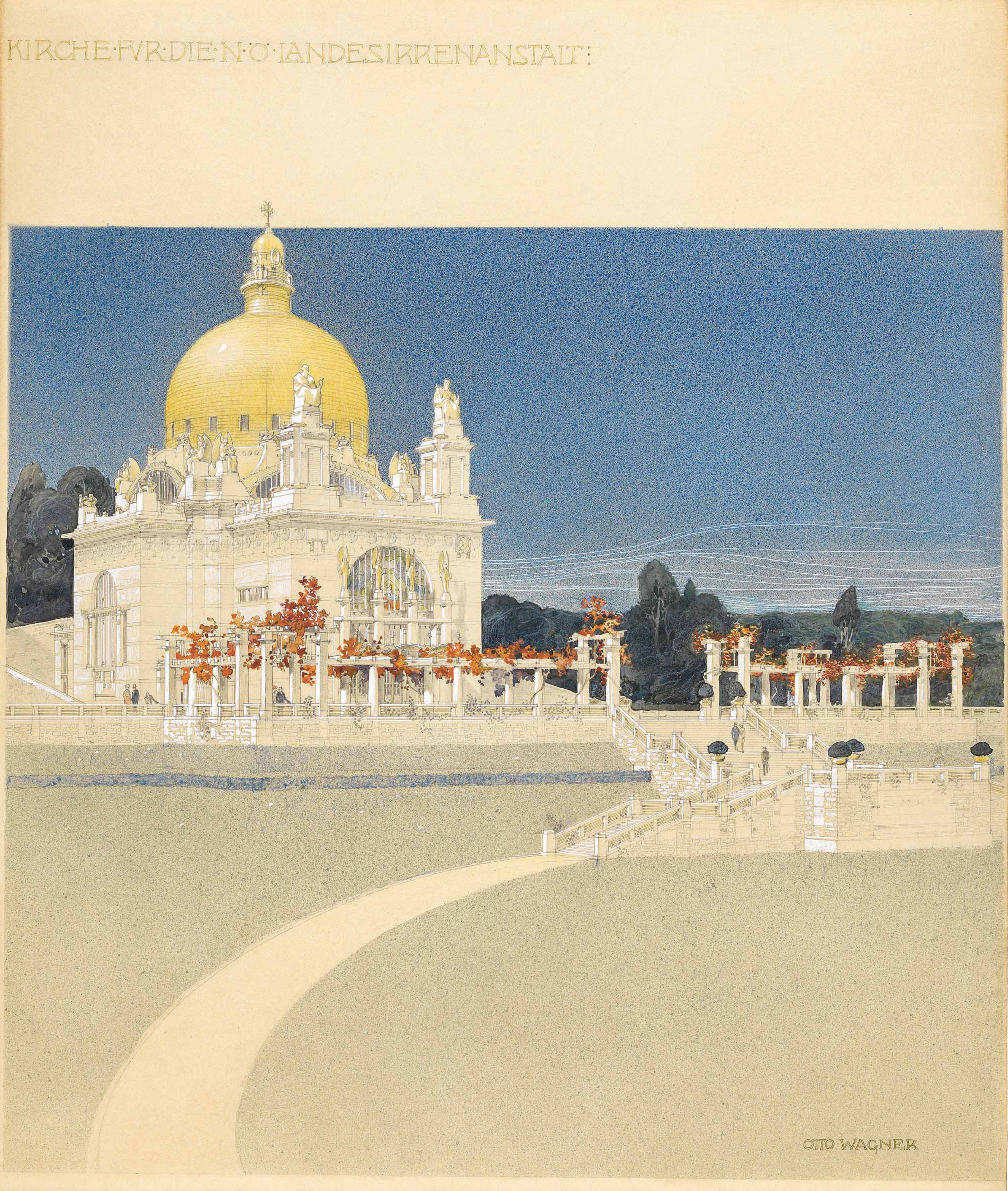
Wagner’s great influence was achieved not only through his buildings but also through his teaching at the Vienna Academy of Fine Arts. Engaging in creative exchange with students decades his junior, he became the “father” of the Vienna Secession, training a whole group of modern architects according to his artistic vision to form the “Wagner School” and thus ensure the spread of his ideas. These ideas were so radically new around 1900 that they provoked vehement opposition from the representatives of tradition. Revelling in his role as a provocateur and fearless champion of modernism, Wagner made many enemies.
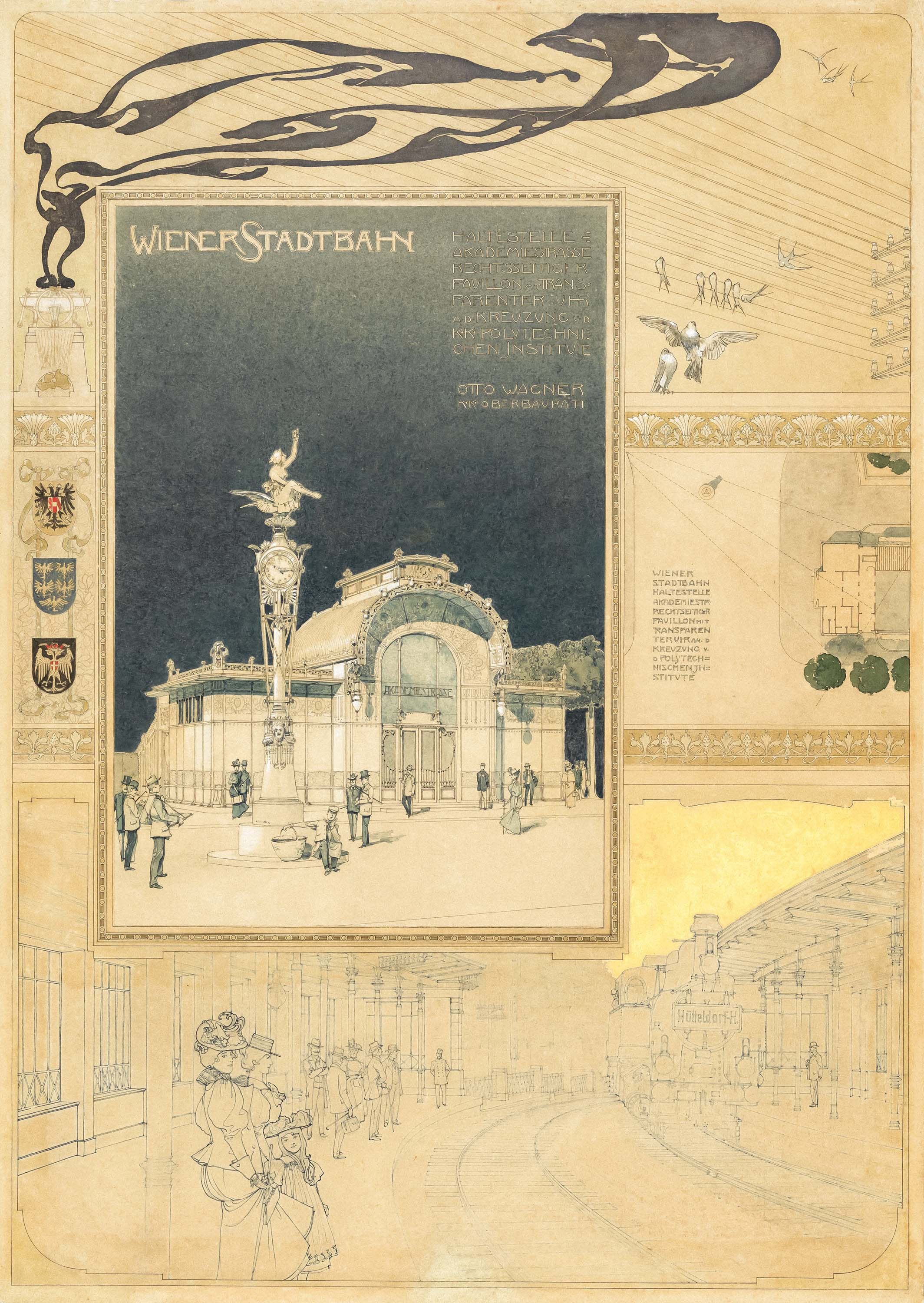
Drawings played a central role in his commitment to resolute architectural renewal. Using the architect’s traditionally most important medium, Wagner created impressive images of a radiant future architecture long before the first modern buildings were erected. The compositionally sophisticated and technically elaborate drawings produced in Wagner’s studio under his guidance are now considered absolute masterpieces of architectural drawing. They also mark the beginning of the visual propaganda for modern architecture that, after 1918, was continued primarily through photography by the proponents of the “New Building” movement.
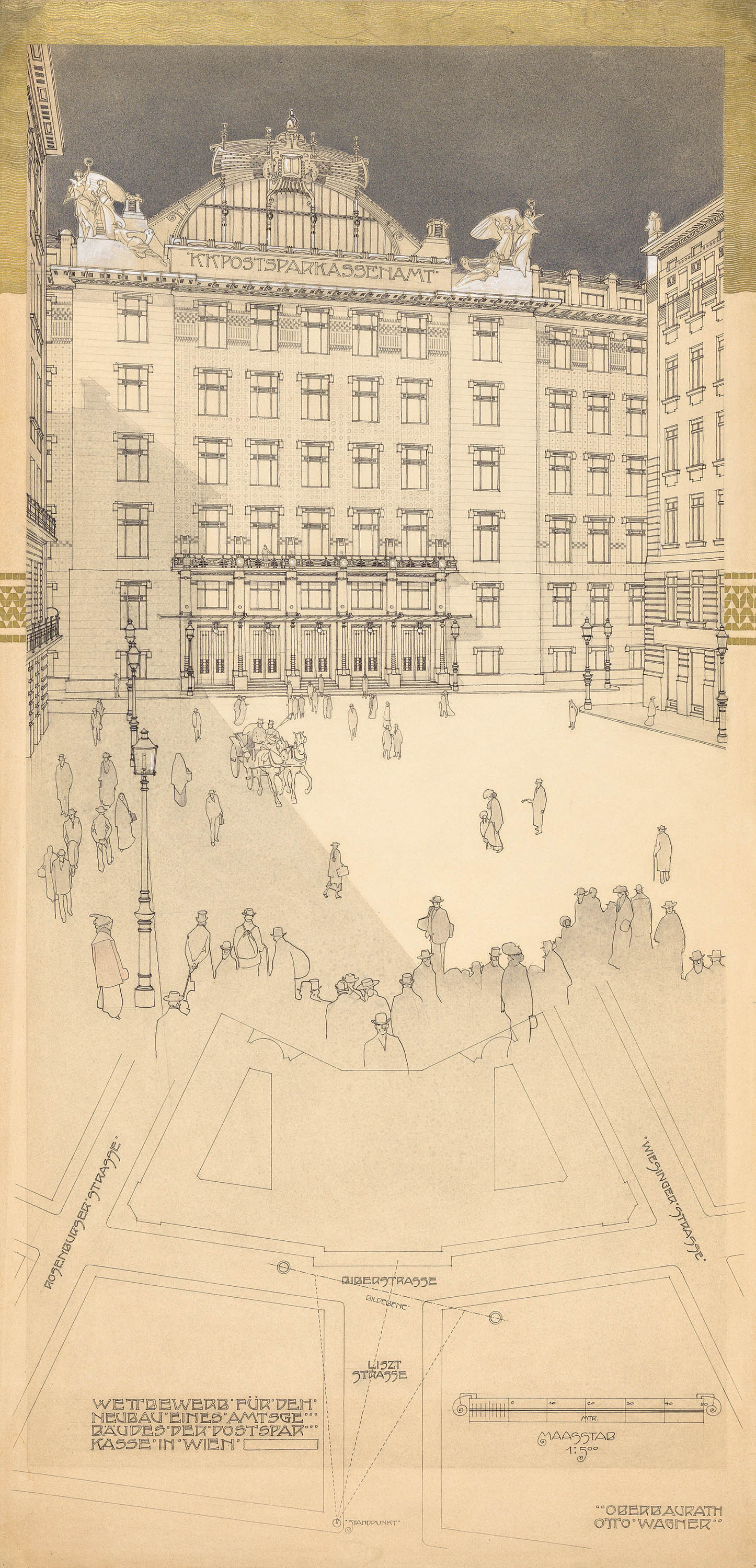
The present exhibition at the Tchoban Foundation is the first in Berlin to be dedicated to the work of Otto Wagner. It is also the first time in more than sixty years that the work of this pioneer of modern architecture has been shown in Germany. Berlin is well-chosen because the city played an important role in Wagner’s career: while studying at the Building Academy, he became acquainted with the work of Karl Friedrich Schinkel, whose Sammlung architektonischer Entwürfe (Collected Architectural Designs) became the model for his own highly influential book Einige Skizzen, Projekte und ausgeführte Bauwerke (Some Sketches, Projects and Completed Buildings). Wagner also took part in the competition for the Berlin Cathedral and the Reichstag building, developing model solutions for contemporary monumental architecture in his engagement with these significant historicist construction projects.
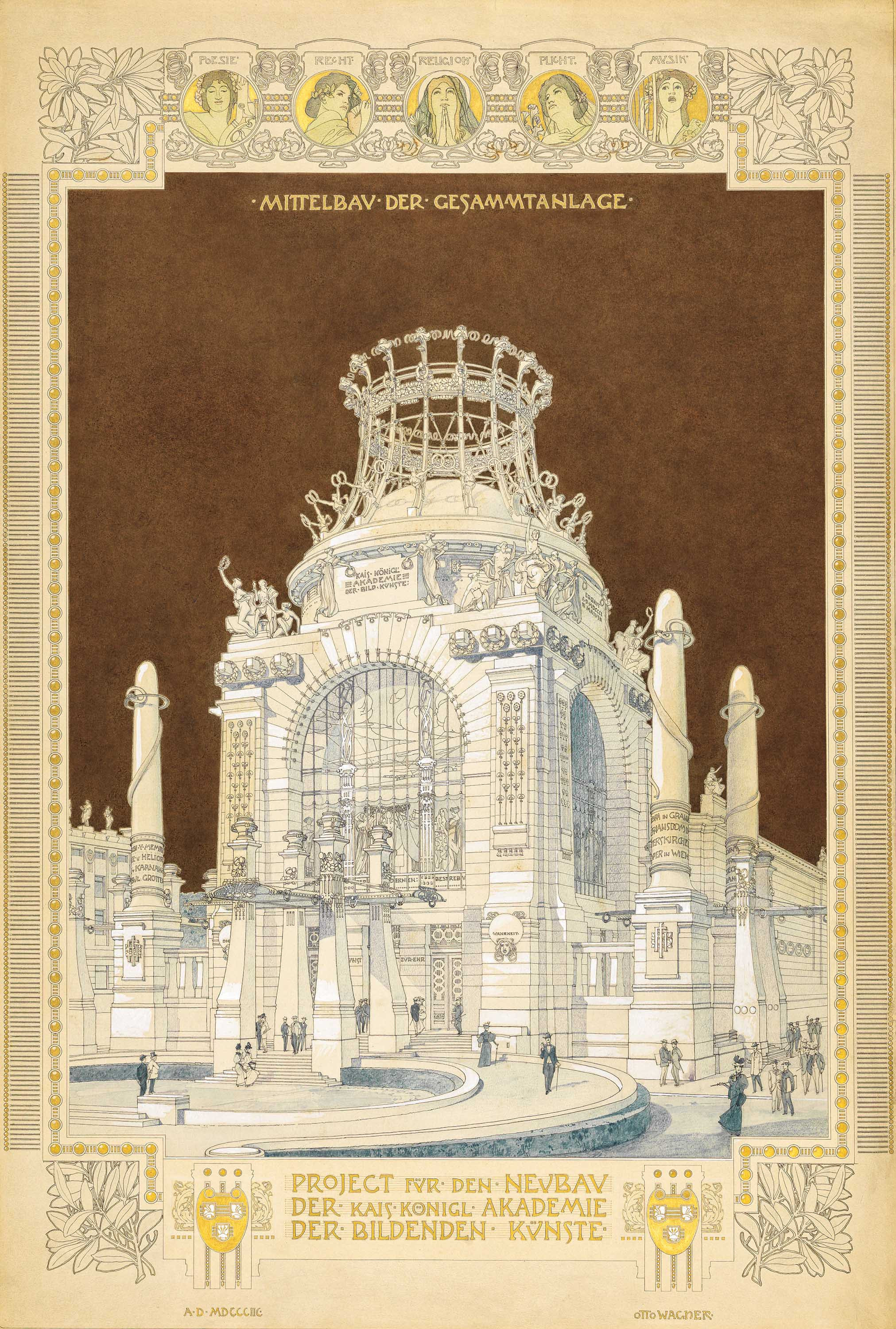
Featuring a selection of Wagner’s most significant drawings from the Wien Museum’s collection of more than 1,000 graphic works, the exhibition presents the most important stages and themes in the career of this this pioneer of modern architecture. The spectrum ranges from his little-known early historicist works to spectacular projects for the Vienna Secession and the radical, traditional ornament-free buildings of his later period, which established Wagner’s central position in the history of modern architecture. In addition to exploring Wagner’s architecture, the exhibition also examines the compositional and technical characteristics of the drawings and their strategic use as “weapons of paper” in the “battle” for modern architecture.
The exhibition, curated by Andreas Nierhaus, curator for architecture of the Wien Museum, is accompanied by a catalogue.
Lenders:
Wien Museum
Architecture Museum of the Technische Universität Berlin (Technical University Berlin)
Sergei Tchoban Collection
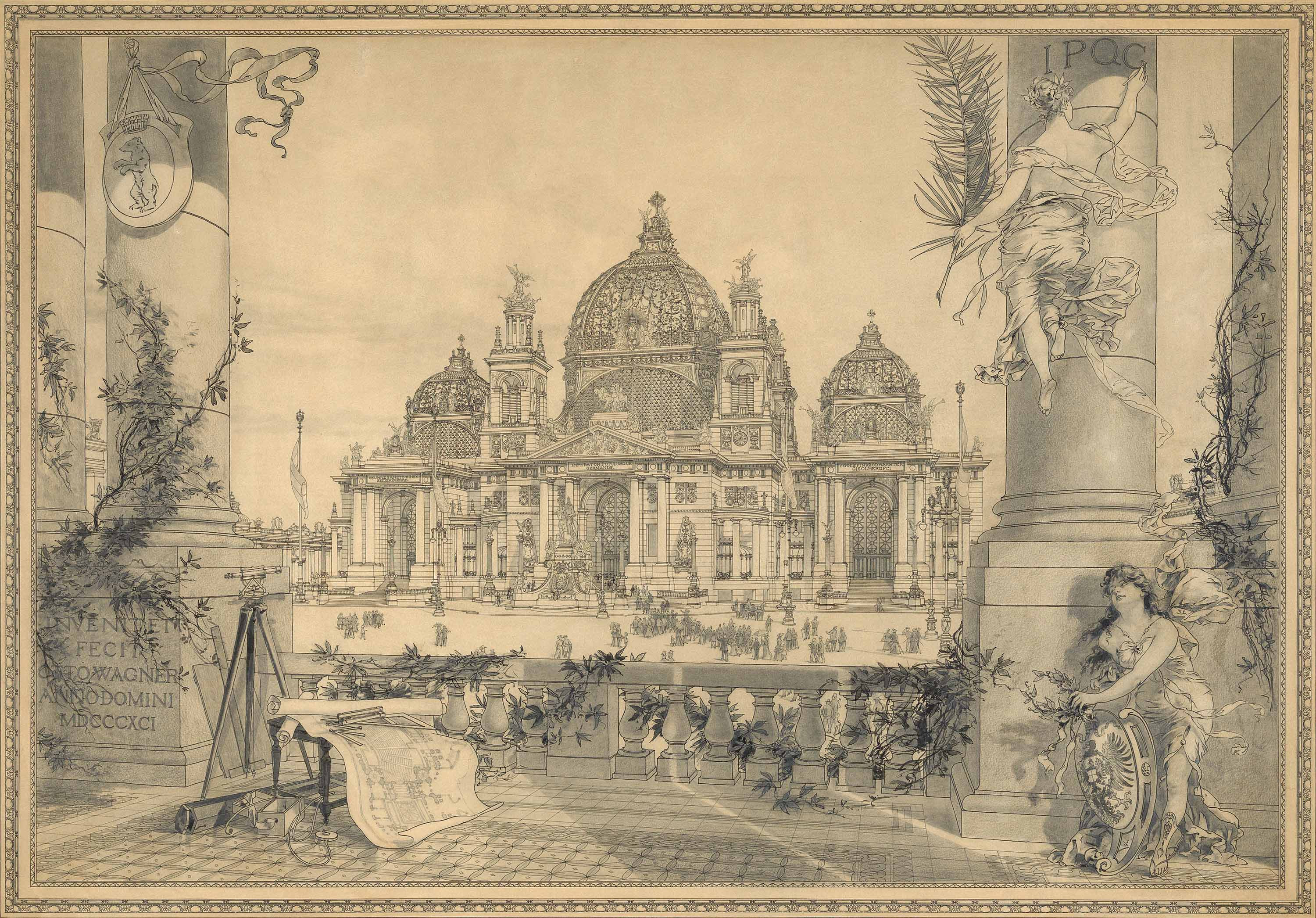
Otto Wagner – Architect of Modern Life
Tchoban Foundation – Museum for Architectural Drawing
Christinenstrasse 18a, 10119 Berlin
Exhibition duration: 31 January 2026 - 17 May 2026
Opening hours: Mon – Fri: 2 pm – 7 pm, Sat – Sun: 1 pm – 5 pm
In cooperation with: Wien Museum
Under the patronage of:
Österreichische Botschaft Berlin (Embassy of the Republic of Austria in Berlin) and Österreichisches Kulturforum Berlin (Austrian Cultural Forum Berlin)
The exhibition is supported by the thomas Group and TCHOBAN VOSS Architekten.