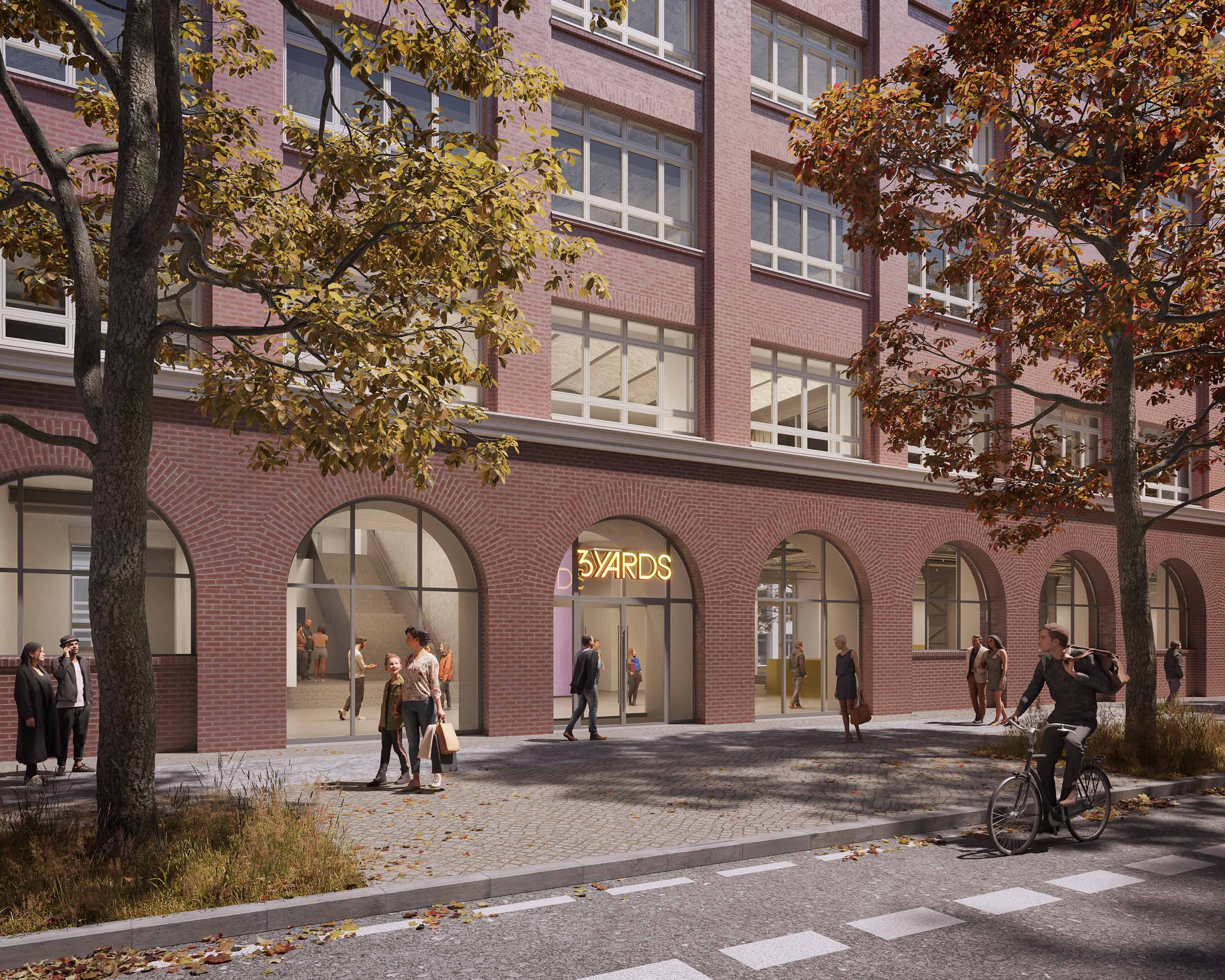
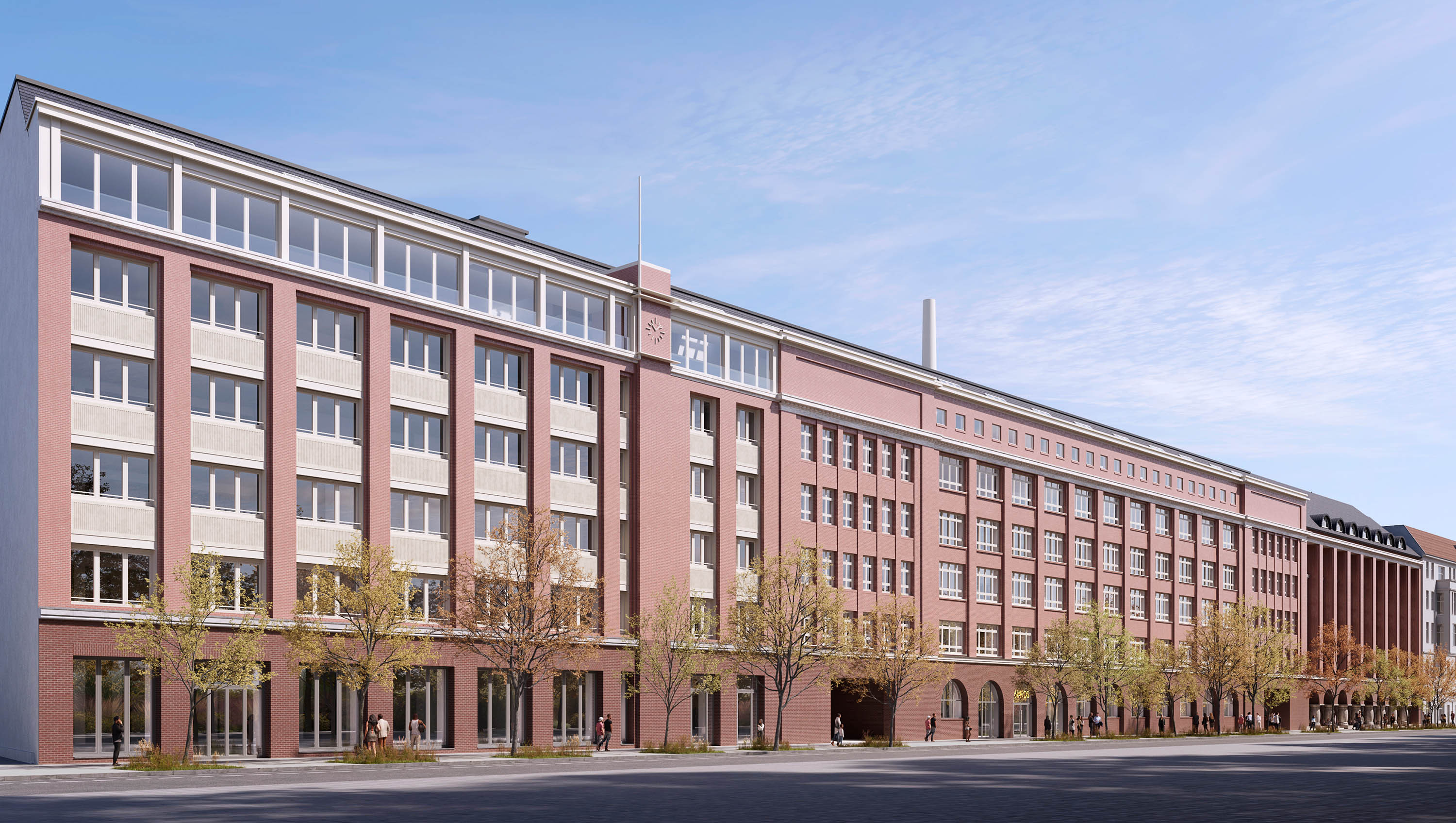
The building complex was constructed between 1913 and 1916 to designs by architect Alfred Grenander and is regarded as one of the defining examples of Berlin’s early 20th-century industrial architecture.
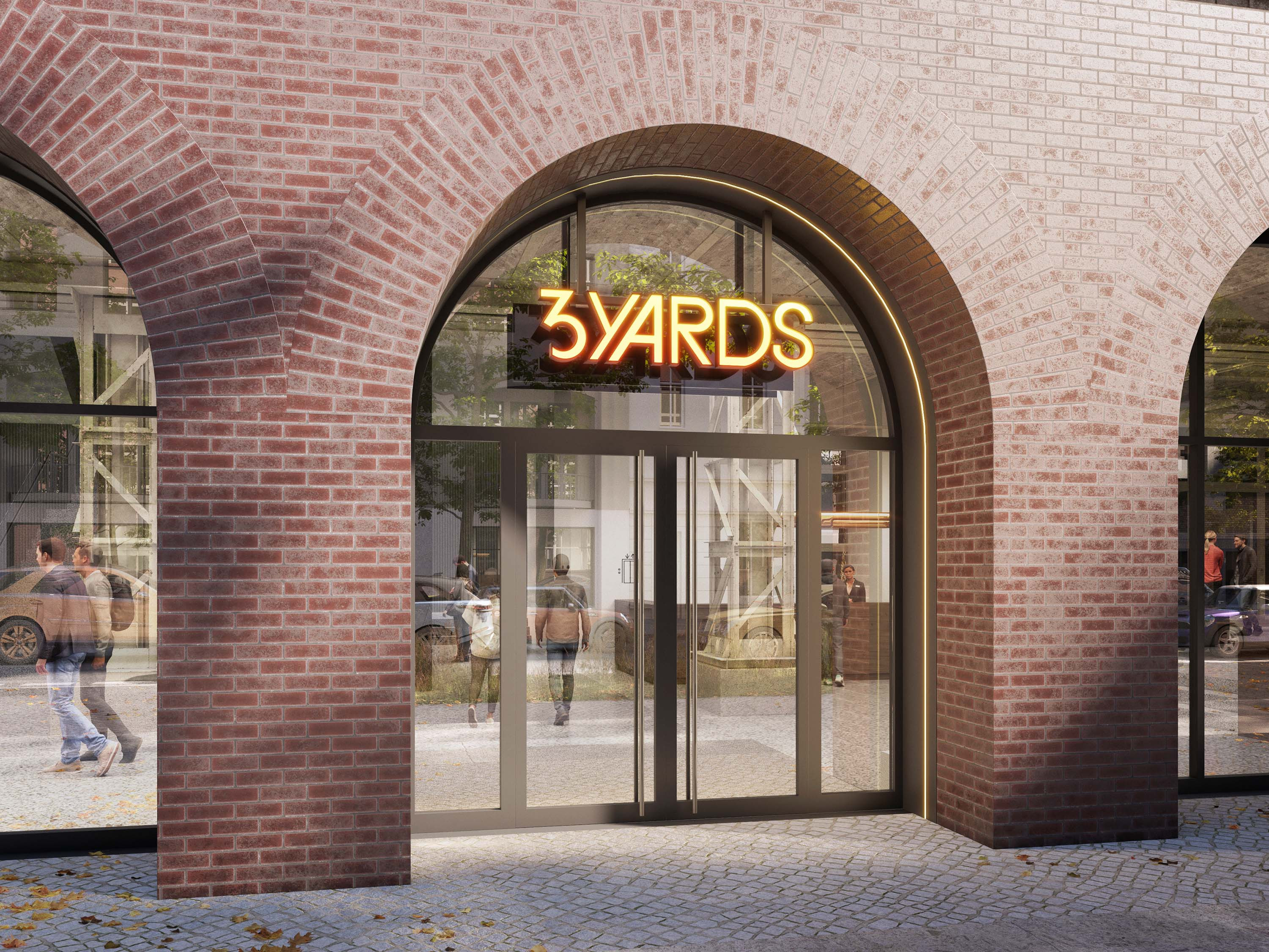
The project follows a circular refurbishment strategy. Existing building structures are largely retained, durable and low-pollutant materials are used, and construction waste is reduced. The aim is to minimise construction-related emissions and to operate the ensemble in a climate-positive manner.
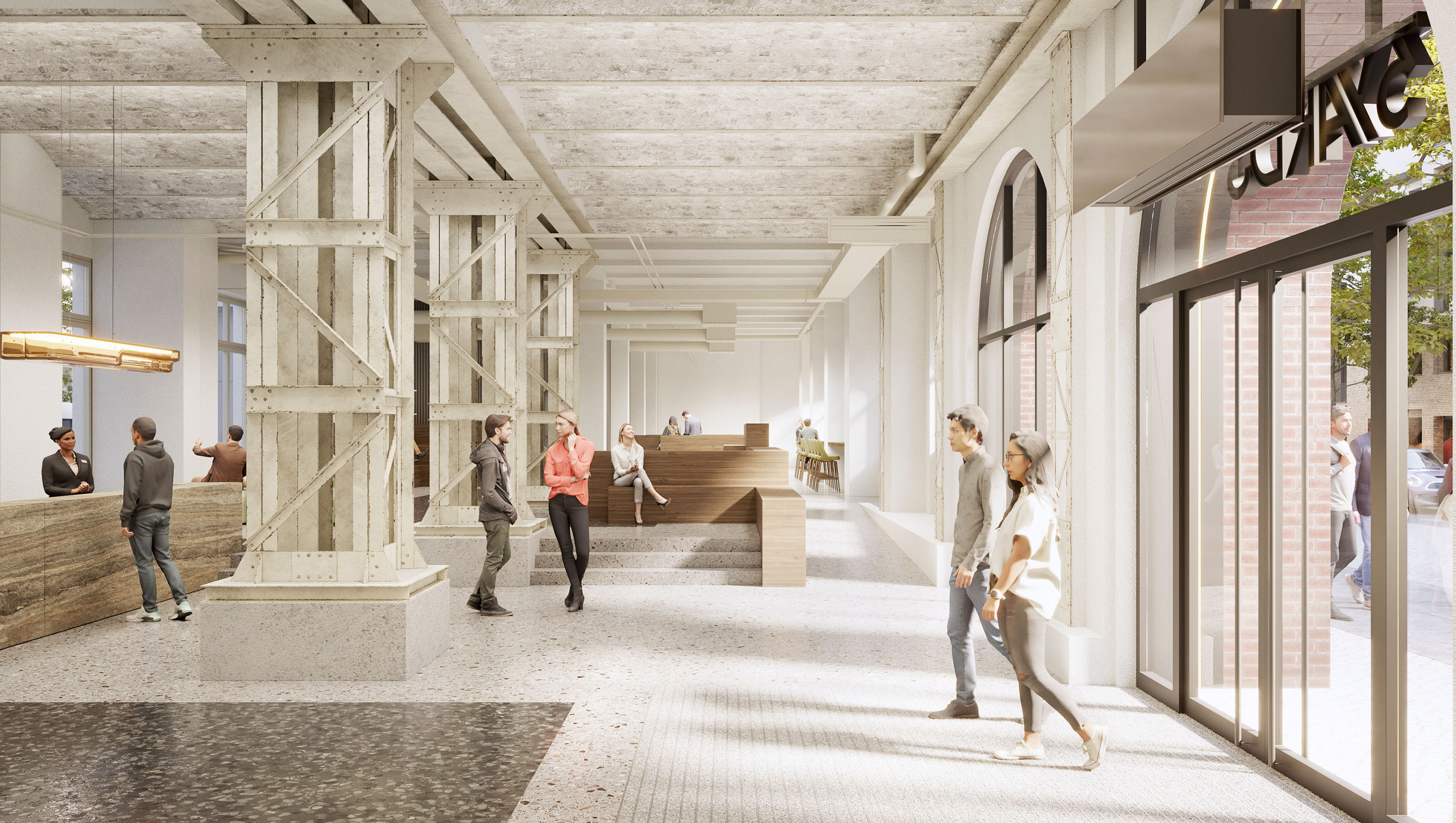
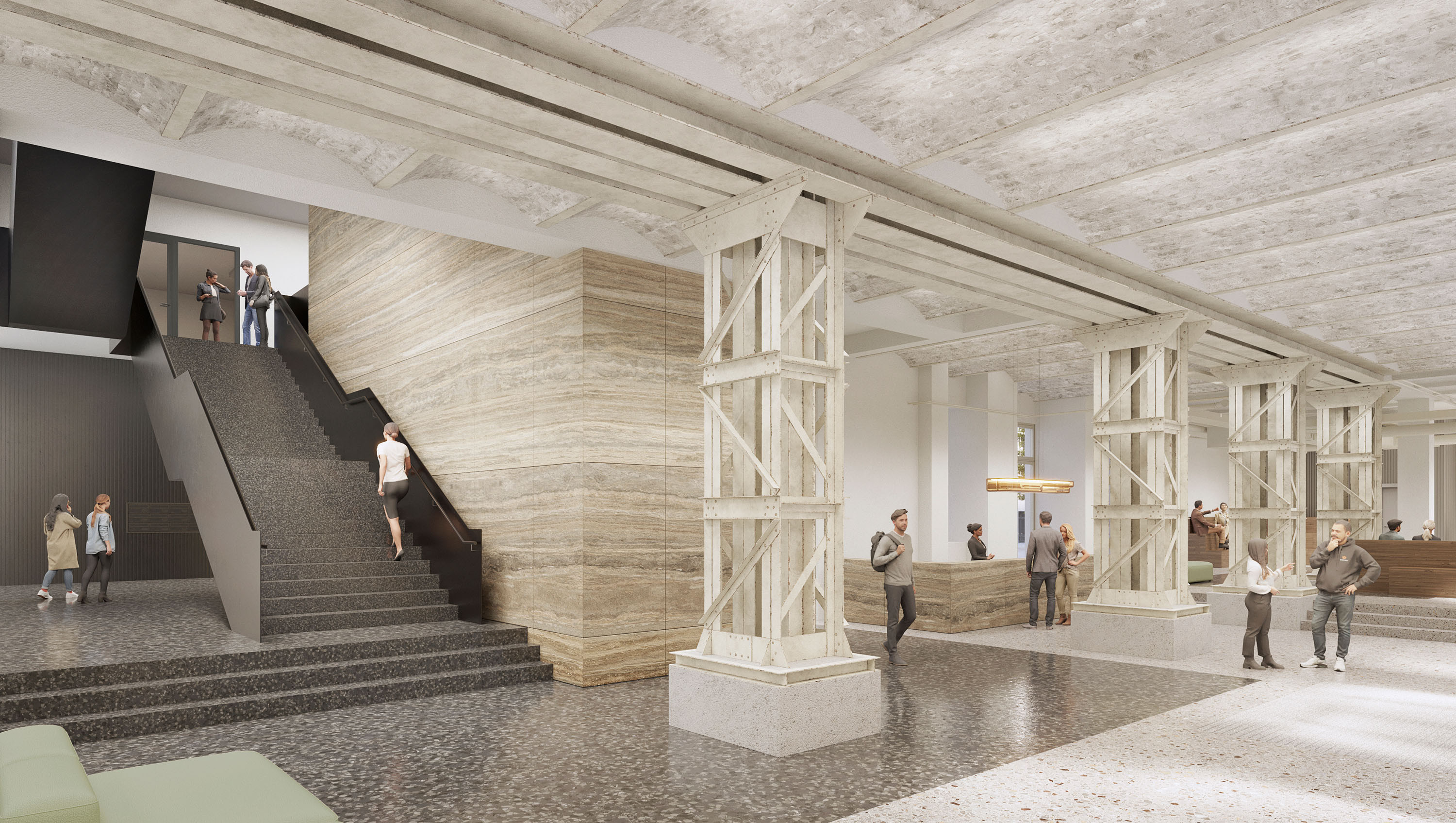
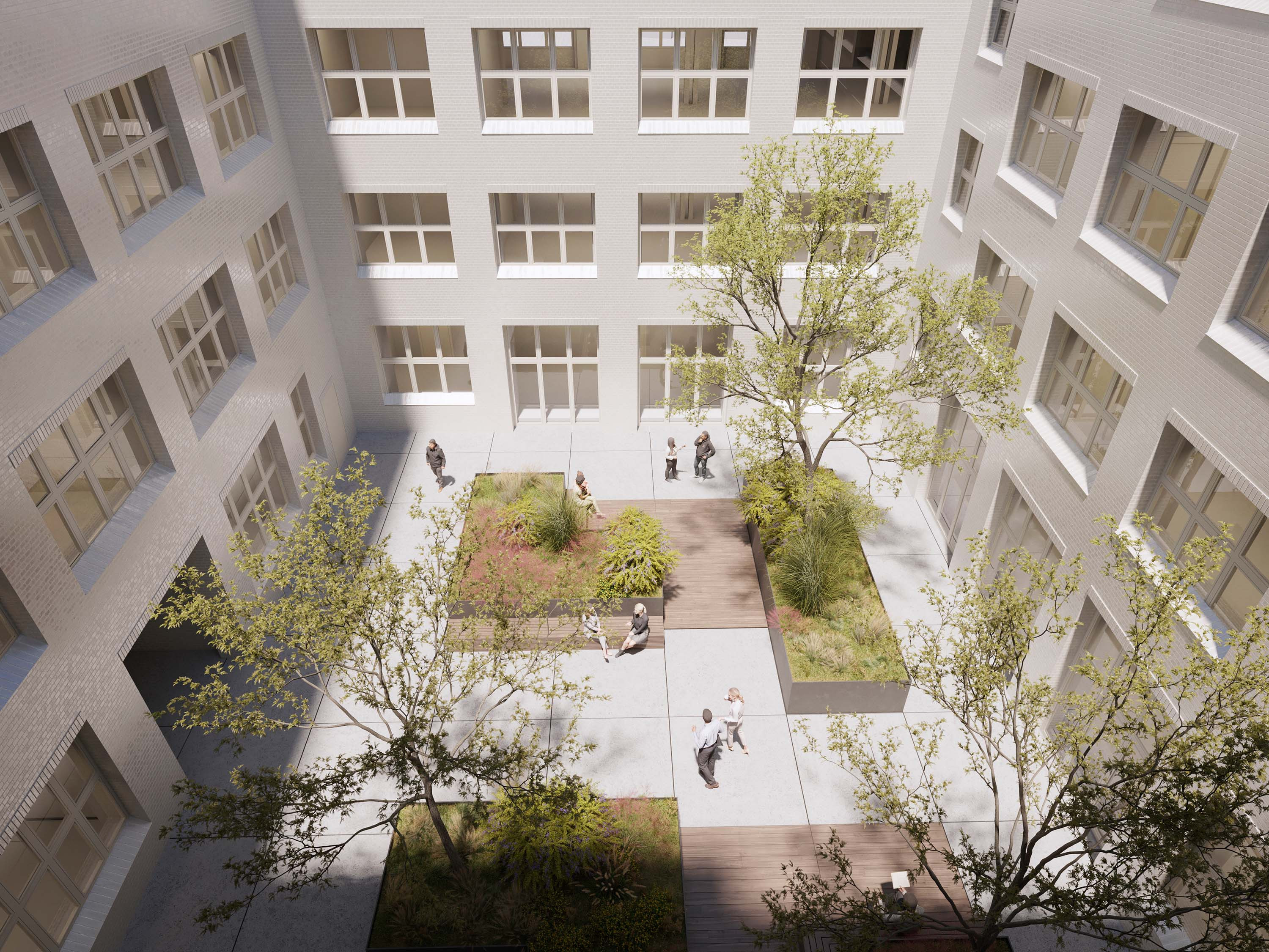
Around 30,000 sqm of flexibly usable office and workspace will be created. The spaces are characterised by high ceilings, historic architectural elements and adaptable floor plans, making them suitable for a wide range of working formats. In addition, the concept includes work lounges, conference areas, maker spaces, food halls, as well as areas for retail and logistics.
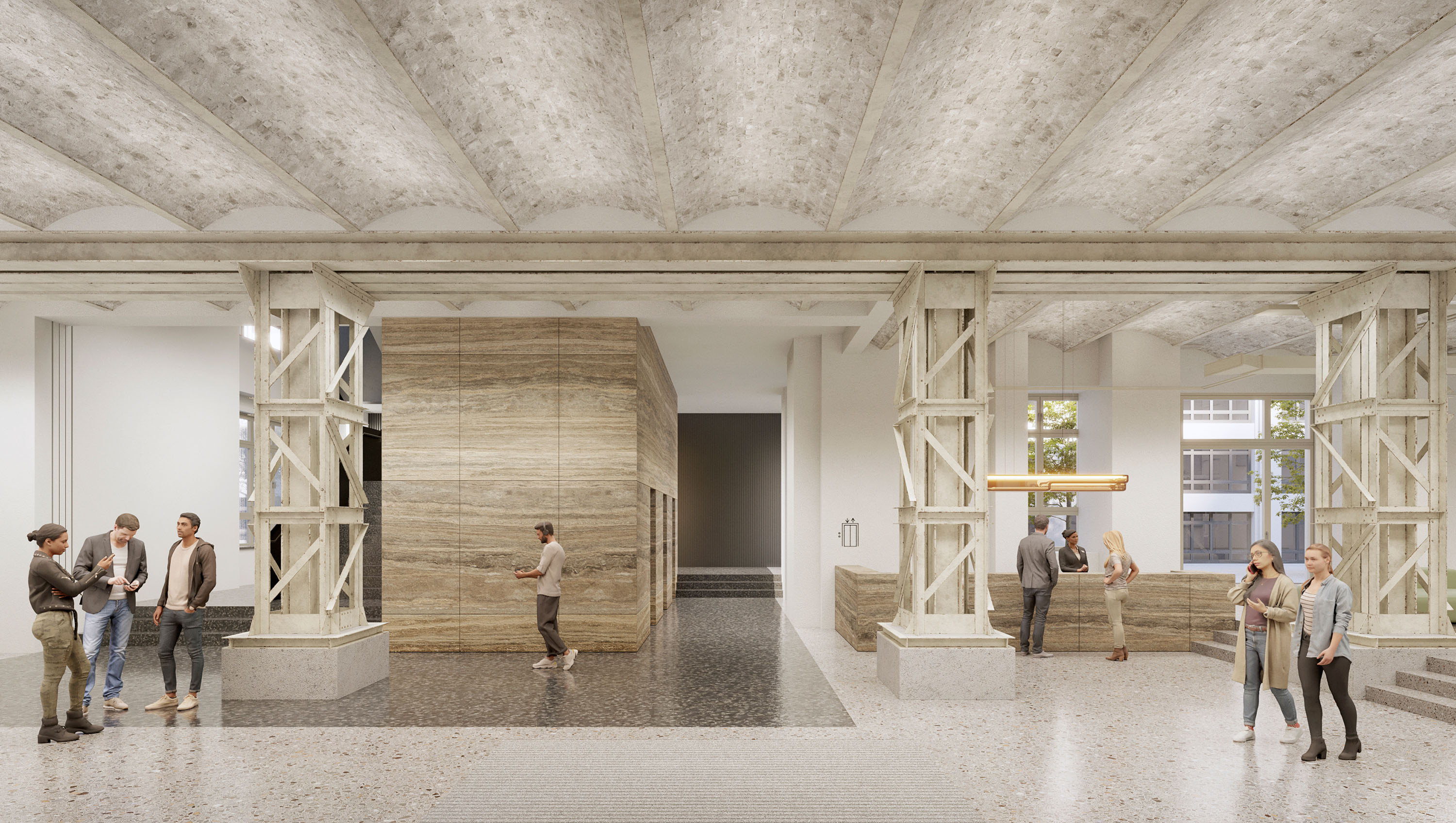
The distinctive brick façade and other defining structural elements of the existing buildings will be preserved and integrated into the new usage concept, ensuring that the ensemble’s historic identity remains an integral part of the urban landscape.